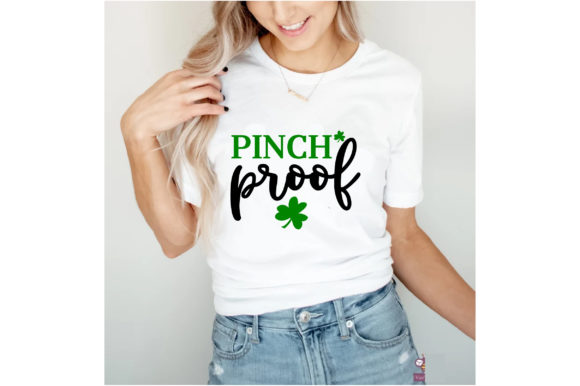
Pinch Proof T-Shirt Design: Beyond the Holiday Cliche
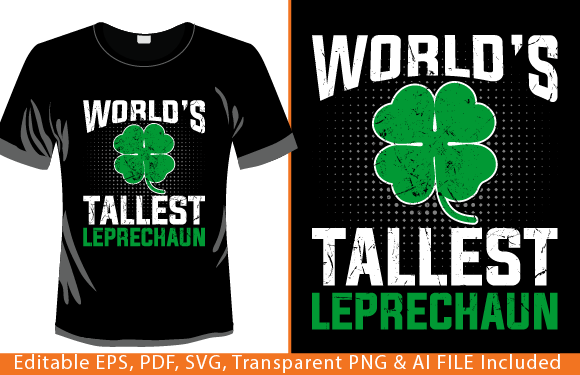
Every March, we see the same predictable green graphics pop up on t-shirts, mugs, and social media feeds. They are often playful, sometimes crude, and almost always centered around the idea of "Don't Pinch Me." But as a designer or entrepreneur, you know that relying on generic templates is a fast track to blending in with the noise. If you are looking to create merchandise that actually sells or designs that resonate with a specific audience, you need assets that offer flexibility and high-resolution quality. This is where the concept of a modern Pinch Proof T-shirt Design enters the conversation, not just as a seasonal gimmick, but as a versatile graphic asset ready for professional application.
You aren't just buying a picture of a clover; you are investing in a design system. When a file package includes PNG, EPS, SVG, and DXF formats, it changes how you approach production. It means you aren't limited to just heat pressing a basic shape onto a cotton tee. You have the tools to scale the design for a massive poster, edit the colors for a specific brand palette, or cut intricate details out of vinyl for a sticker. It is about taking a seasonal concept and elevating it to a professional standard.
Why Vector Formats Matter for Your Brand
One of the biggest hurdles for small business owners and independent designers is maintaining quality across different mediums. You might have a great graphic that looks perfect on your computer screen, but the moment you try to blow it up for a banner or shrink it down for a business card, it turns into a blurry mess. This is the difference between standard raster images and the vector files included in a professional design package.
The inclusion of EPS and SVG files is a game-changer for brand identity. These vector formats are "fully editable," meaning you aren't stuck with the colors or layout the original artist chose. If your brand uses a specific shade of emerald green rather than standard lime, you can change it in seconds. If you want to remove a text element to use just the icon for a logo, you can do that without destroying the image quality. This level of control is essential for anyone serious about logo design or packaging design. It ensures that your seasonal merchandise looks like a natural extension of your existing business, not a cheap add-on.
Furthermore, the DXF file inclusion opens up a world of possibilities for the crafting community. If you use cutting machines like Cricut or Silhouette, you know the frustration of trying to convert a standard JPEG into a cut file. The lines get jagged, and the machine struggles to read the paths. A native vector file ensures that your cuts are clean, whether you are working with cardstock for invitations or vinyl for decals. This saves you hours of manual tracing and wasted material, allowing you to focus on the creative side of production.
Visual Appeal and Modern Typography
Design trends have shifted significantly in recent years. We have moved away from heavy, cartoonish clip art toward cleaner, more stylized aesthetics. A high-quality Pinch Proof T-shirt Design today often incorporates modern typography and balanced composition. It might feature a handwritten font paired with a bold sans serif font to create a dynamic contrast that draws the eye.
When evaluating a design for social media graphics or digital products, look at the negative space. A cluttered design might look "busy" or "festive," but it often lacks readability. The best designs use bold shapes and legible text to ensure the message is understood in a split second—crucial for platforms like Instagram or Pinterest where users scroll quickly. The visual appeal comes from the interplay of color and form, not just the subject matter. A design that uses a premium font style can turn a simple joke into a piece of editorial design that feels sophisticated and intentional.
Practical Applications: From Apparel to Print Materials
While the obvious application is apparel, thinking outside the box can help you maximize the return on your design assets. A versatile design file allows you to create a cohesive suite of products without needing to commission new artwork for every single item.
Consider these practical uses for your vector files:
- Merchandise: Beyond t-shirts, think about tote bags, koozies, and hats. The 300 DPI PNG ensures your prints are crisp on fabric, while the vectors allow for scaling on larger items like banners.
- Print Materials: Are you hosting an event? Use the design for flyers, menus, or posters. The ability to edit the text allows you to customize the message for a pub crawl, a family dinner, or a corporate mixer.
- Digital Products: Create marketing assets like email headers, website badges, or digital stickers for planners. A clean design integrates seamlessly into a website layout without clashing with your existing web design elements.
- Stickers and Decals: With the right cut files, you can produce waterproof stickers that are popular on platforms like Etsy. They work great for laptop decorations or planner accessories.
By utilizing the different file formats, you can create a product line that feels professional. It moves your shop from "hobbyist" to "brand," which is a critical step for creative entrepreneurs looking to scale their business.
Matching Design to Audience and Goals
Not all "Pinch Proof" designs are created equal, and neither are the audiences that buy them. A design featuring a beer mug and a witty slogan appeals to a different demographic than one featuring cute animals for kids or a minimalist geometric clover for a yoga studio. As a brand strategist, you need to match the visual style of the asset to the specific goals of your campaign.
If you are targeting a younger, trend-aware crowd, look for designs that utilize script fonts or retro aesthetics. If your audience is corporate or family-oriented, a cleaner look using a serif font or a structured sans serif font might be more appropriate. The goal is audience engagement. You want your customers to feel like the design speaks their language.
Don't be afraid to test font pairings. If the design comes with editable text, try swapping out the typeface to see how it changes the mood. A playful handwritten font makes the design feel casual and fun, while a bold, all-caps display font makes it feel urgent and loud. This customization is what separates a generic template from a powerful creative font application.
The Technical Edge: DPI and File Quality
Let’s talk specifications for a moment because they matter for the final product. The promise of a high resolution 300 DPI file is standard for print, but it is a detail that is often overlooked until it causes a problem. When you print on a mug or a poster, low-resolution images become pixelated, leading to a product that looks amateurish and is likely to be returned.
Having a main file that is print-ready means you spend less time troubleshooting in Photoshop and more time selling. For content creators and marketers, this efficiency is vital. You need to be able to drop an asset into a layout and know that it will perform. Whether you are using the design for editorial layouts in a magazine or as a hero image on a landing page, the technical integrity of the file ensures that your message is delivered with clarity and professionalism.
Ultimately, a well-crafted Pinch Proof T-shirt Design is more than just seasonal inventory. It is a versatile toolkit for branding, marketing, and product creation. By prioritizing editable vectors and high-resolution assets, you empower yourself to create a consistent, professional visual presence that stands out in a crowded market.